In our Art and Money series, we look at different aspects of selling your work online, such as pricing, generating traffic to your site, funding options, marketing & networking, and maintaining your success. We talk to artists who are successfully selling their work online, getting feedback from the buyers of art, and giving you firsthand advice on what can at first seem a daunting topic!
What is your artwork worth?
- How do you know if your prices are too high or too low?
- What’s selling at the moment and at what price?
- What options can you offer buyers?
If you are an artist wondering how to make a living selling your work online, you’ve probably asked yourself the three questions above. Perhaps your day job is dragging down your creative output and you want to know how to survive through your art? Many people hold the opinion that because they love doing their art, then it can’t be work. Well, that’s the main reason to make your art your job!
1. How do I know how to price my work?
There are many elements to consider when thinking about how to price your work. A good place to start is how much money the work has cost to produce. Think about the following questions:
- What were the output costs? For example: paint, canvas, space/studio
- How much time did it take you in hours? Are you giving yourself an hourly wage?
- What is the medium?
- If the work is photographic or print based, are you selling them as limited editions? If so, you’ll be able to price your work higher, and this can actually increase as the editions sell.
- Where are you in your career — have you sold in the past? If you are just starting out, you want to think about how a buyer is going to see a relatively unknown artist, and what they’ll be willing to pay.
- For original works, do you want to sell print versions as a more affordable option? Think again about your potential buyers. People coming across your work are much more likely to buy a £30 print on a whim than they are a £3000 painting. Having these options could provide you with a more regular income while you’re making new work, or while you have gaps between larger sales.
Example
Let’s say you’re a new artist who has sold a couple of works online already. You’re a painter who’s willing to sell prints as an affordable option. Your painting has taken approximately 25 hours to make.
- The cost of your paint, canvas and materials has come to £50.
- Your studio costs £50 per week, so let’s say that’s £10 studio cost.
- If you’re giving yourself an hourly rate at say, £8 per hour, that’s £200.
So we’re already at £260. Then you need to think about making a profit! The popular way to do this is double the figure you’ve just arrived at. So you’ll be selling your painting at £520 for the original.
This is just an example, there may be many other elements that change that price. For example, if a painting has taken you a whole year, then it may be overpriced if you calculate your hourly rate! So a bit of common sense will essentially come into the equation.
Prints would then tend to vary between £30 and £50 depending on sizing options. Remember: To make good prints, your photographs will need to be perfect! See our article on how to photograph your work effectively.
Finally, it’s good to know these pricing breakdowns by heart. It will make you more confident when explaining the costs of your work to potential buyers, who might not know the process behind pricing artworks.
2. How do you know if your price is too low or too high?
- A great way to work this out is to look at other artists selling similar work to you, at a similar career level, and work out whether they’re successful. Browsing ArtWeb.com is a good place to start!
- Another good idea is to think about how much you would be prepared to pay for a piece of artwork.
Ask advice
Believe it or not, people like to be asked for advice! As a photographer, when I was starting out, I nervously phoned up a high-profile photographic gallery for some advice on how to price my work. To my amazement and surprise, they were incredibly helpful and gave me some very useful tips! So it’s worth plucking up the courage and phoning some relevant galleries, or any contacts you have. Even if you think your question sounds silly, if you don’t know the answer, anything will be useful. The worst thing that can happen is that they say they don’t have time, but what does it matter!?
Top tip: See our related article: How to ask for feedback as an artist (and who you should ask!)
3. What’s selling at the moment, and for how much?
As explained above, it all depends on the medium, the buyer, and ultimately the art, but here are a few examples of artists that are currently selling well on ArtWeb:
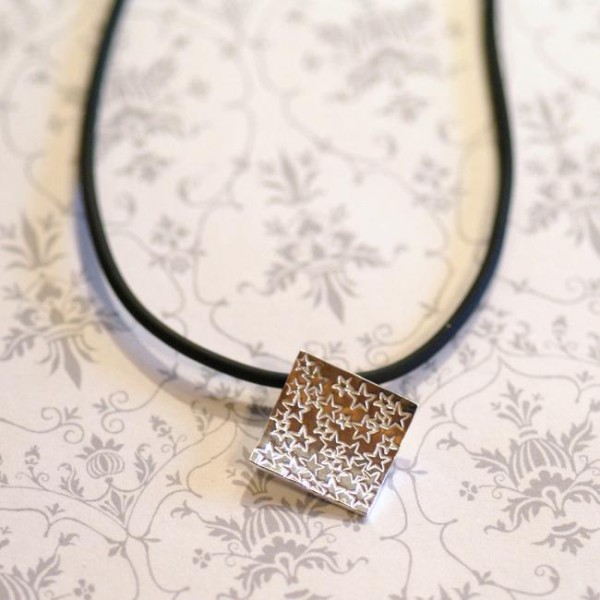
Wendy also has some great advice for working out pricing of your work:
‘I have found that when it comes to pricing it is so important to think first of who my market is and why they would wish to buy my work. For me, my target market is people who are buying gifts for others in the £40–£60 bracket, I think it’s quite important to have items for sale around this price if you are wishing to sell to a large number of people. If I were to advise an artist selling paintings online which have originals in excess of £100 then I would suggest having some limited-edition prints made of their work which could retail at the more popular £40 price point.’
See more of Wendy’s jewellery designs here: http://www.wendykempjewellery.co.uk/
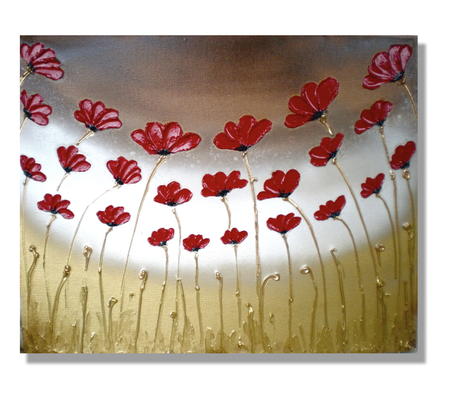
Here’s some advice from Tracy for artists working out how to price their work:
‘I price my work according to costing of materials, P+P and time. I have an hourly rate in mind. However, to begin with (when I first set up my website, a few years back now!) I kept my prices low until I got a few sales and as I was selling more and more paintings on a monthly basis I increased my prices a little.’
‘My floral textured work sells the best from my website, particularly my poppy and rose paintings. All of my work is on canvas. My work is highly textured (3D) and the flowers stand off the canvas and I think my increasing sales are due to this uniqueness. Plus the fact that vibrant poppies and roses are very popular flowers. I get lots of commissions from my website and I also get customers coming back to buy more! The larger sized paintings sell the best from my website.’
See more of Tracy’s work on her site: http://www.tracyjolly.co.uk
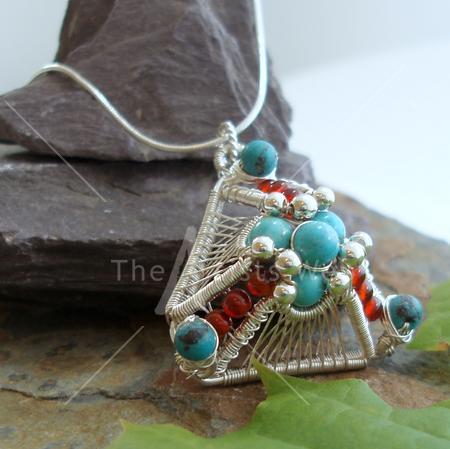
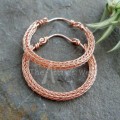
Abby’s jewellery designs can be explored on her site here: http://www.abbyhook.co.uk/
So there you have it!
We hope this has helped you if you’re starting out selling, or if you’ve been struggling to work out if your pricing is right. Our next issue will be all about generating traffic (and sales) to your website, and again we’ll have some useful advice from successful artists… see you then!
Psst… We heard on the grapevine that this Damien Hirst work just sold at auction for $46,875. How do you feel about this sale, was the work worth it? Comment here with your thoughts!
Want to see the rest of the Art and Money series? Here are the links: